

Åsane U17 5–3 KFUM U17: Pressing and Set-Pieces Make the Difference
Åsane U17
Åsane lined up in a 5-3-2 formation and approached the game with an aggressive, high-intensity style. From the opening minutes, they looked to disrupt KFUM’s build-up by pressing high up the pitch, forcing the opposition into rushed decisions. A clear example of this can be seen at 03:06, where Åsane’s forwards immediately closed down KFUM’s defensive line and prevented them from building comfortably from the back.
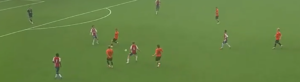
Although Åsane started the match with great intensity, they initially struggled to cope with KFUM’s physical presence, particularly in midfield duels and aerial challenges.
The opening goal came in the 11th minute after an excellent attacking move. The play started with a successful dribble before Frantzen delivered a precise cross into the penalty area. The ball found Breivik, who timed his run perfectly and finished with a powerful header to give Åsane a 1-0 lead.
Throughout the match, Åsane consistently looked to exploit their attacking height from set pieces, especially corners. They used several well rehearsed routines rather than simply delivering traditional crosses into the box. One example of this can be seen at 12:40, where their movement and positioning created a dangerous opportunity.
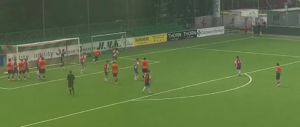
Offensively, Åsane relied heavily on quick transitions, using the pace of their wide players to attack through the flanks whenever possession was regained.
Their second goal once again highlighted the effectiveness of their set-piece preparation, coming directly from another well executed corner routine that KFUM failed to defend.
After halftime, Åsane increased the intensity of their pressing even further. Their aggressive approach forced mistakes from KFUM’s defenders, and this directly resulted in their third goal, which came after winning possession high up the pitch.
The fourth goal arrived in the 56th minute, again from a set-piece. Following another dangerous delivery into the penalty area, Molnes unfortunately turned the ball into his own net, underlining Åsane’s continued threat from dead-ball situations.
As the second half progressed, Åsane showed a significant tactical improvement. Their positioning in midfield became much more compact, allowing them to control central areas and limit KFUM’s ability to combine through the middle. This forced their opponents to attack mainly through the wings with limited success.
Åsane’s fifth goal came from another fast counterattack, finished confidently by Tobias Grøttå Kolaas, once again demonstrating their effectiveness in transition.
Overall, Åsane combined aggressive pressing, dangerous set-pieces, and quick attacking transitions to secure an impressive attacking performance.
KFUM U17
KFUM started the match in a 5-4-1 formation and immediately showed their intention to defend with a high defensive line. This was already visible in the opening stages of the match, with a clear example at the first minute, where the back line pushed high up the pitch in an attempt to compress the playing area.
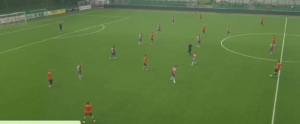
In possession, KFUM preferred a patient and structured build-up, progressing through the thirds with controlled passing from the defensive line into midfield before looking for opportunities in the final third. Rather than playing direct football, they focused on maintaining possession and building attacks in a gradual manner.
KFUM also looked to exploit mistakes made by Åsane’s aggressive defensive line. Their first goal, scored in the 22nd minute, came after Andres Aarseth capitalized on a defensive error. He showed excellent individual quality by winning possession and producing an impressive solo run before finishing confidently to make it 1-1.
Despite conceding from several set-pieces, KFUM remained committed to their style of play and continued trying to build attacks through possession whenever possible.
Their second goal came through a different attacking pattern. Daniel Valan scored with a well-placed header following an accurate cross from the wing, taking advantage of poor marking inside the Åsane penalty area.
As Åsane improved their control of the central midfield during the second half, KFUM found it increasingly difficult to progress through the middle. As a result, they were forced to attack more frequently through wide areas, but these attacks rarely created clear scoring opportunities.
Two players who stood up this match:
